
How to Launch a Profitable Clothing Brand in 2026

Launching a clothing brand in 2026 sits at the intersection of opportunity and pressure. The global apparel market exceeds $2 trillion, yet competition is intense and consumer expectations are significantly higher than in previous years. Producing visually appealing garments alone is no longer sufficient. Success depends on clear positioning, control over distribution, and the ability to build direct, lasting relationships with customers.
The industry has moved decisively towards direct-to-consumer (DTC) models. Traditional gatekeepers such as department stores and large wholesalers no longer define success in the same way. Modern fashion businesses grow by owning their online presence, communicating directly with audiences, and managing inventory and pricing with precision. While this shift lowers the barrier to entry, it also demands stronger strategic thinking from the outset.
Starting a clothing brand today is less about following trends and more about creating a structured, sustainable business model. The focus should be on identifying genuine value, building resilience into operations, and choosing platforms that allow long-term independence.
Defining a clear fashion niche and audience
A profitable clothing brand starts with a focused point of view. Attempting to appeal to a broad audience typically leads to weak differentiation and limited brand loyalty. A defined niche improves relevance and positions the brand more effectively within a crowded market.
Some brands operate on a trend-driven model, releasing collections that respond quickly to cultural shifts. This approach requires agile production and strong creative direction. Others concentrate on timeless categories such as basics, workwear, or lifestyle apparel, prioritising consistency and repeat purchases. Both approaches can succeed, but each requires a distinct operational structure.
Sustainability continues to gain importance, not as a trend but as a decision-making factor for consumers. Brands that integrate sustainable materials, ethical sourcing, and transparent production processes often build stronger trust. The key is authenticity and alignment between the product, the audience, and the supply chain.
Structuring a viable business plan
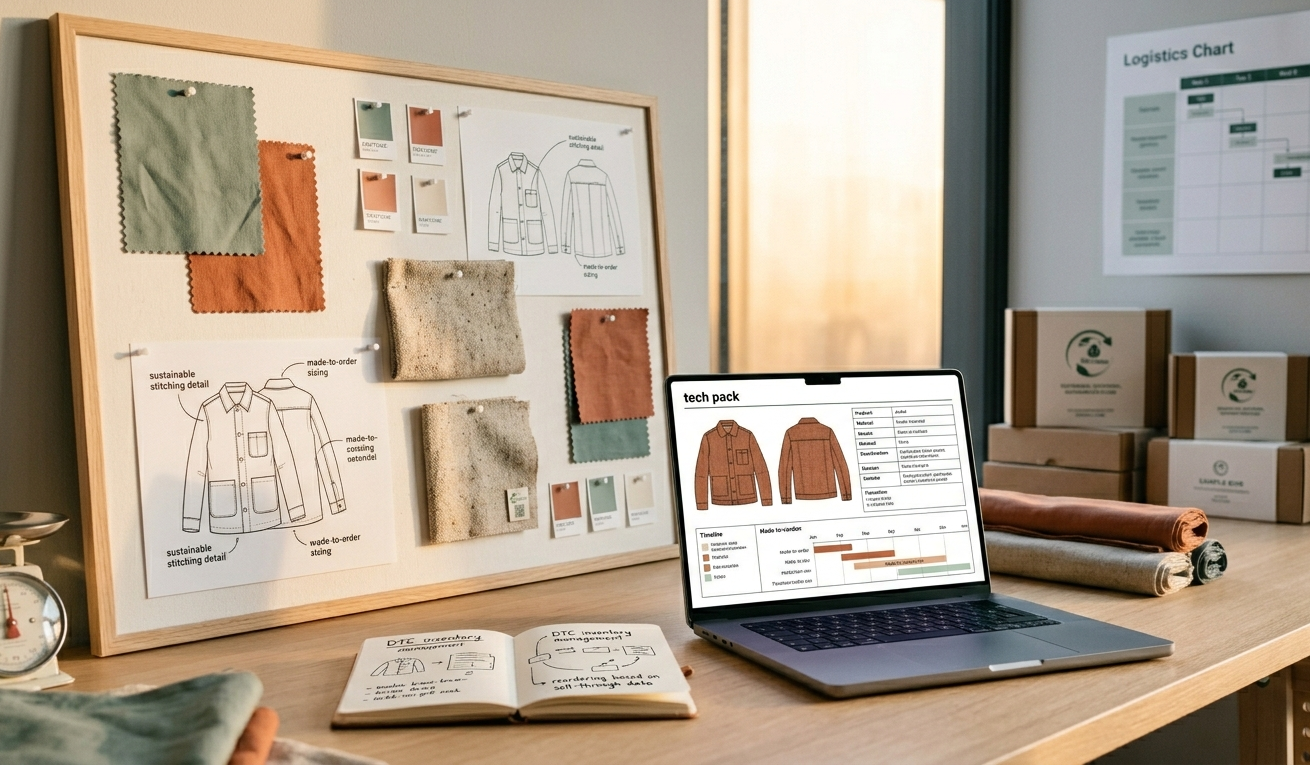
A business plan provides the framework for how a clothing brand operates. It defines how products are designed, produced, priced, and delivered to customers. It also forces clarity around financial expectations and growth strategy.
There are several common operational models. Small-scale brands may rely on hand production to maintain craftsmanship and control, though this limits scalability. Many brands work with manufacturing partners, either locally for flexibility or overseas for lower production costs. Each option affects cash flow, lead times, and minimum order quantities.
Print-on-demand and made-to-order models reduce financial risk by producing items only after a sale is made. These models are particularly suitable for testing concepts or serving niche audiences. Dropshipping, while low-cost to start, often restricts quality control and limits brand differentiation. In a market where authenticity matters, this can be a disadvantage over time.
Financial planning is critical. Initial costs typically include design, sampling, materials, manufacturing, branding, photography, and marketing. Pricing must account for production costs, returns, platform fees, and ongoing marketing expenditure. Underpricing can restrict growth, while overpricing without clear value may slow adoption.
Designing and developing products
Design transforms ideas into tangible products. This stage involves more than sketches; it requires careful consideration of fit, fabric, and construction quality. These factors directly influence customer satisfaction and return rates.
Some founders create their own samples or work closely with pattern makers, while others collaborate with external designers. Regardless of approach, clear communication and iterative sampling are essential to achieve a consistent standard.
Fabric selection plays a defining role in both quality and brand perception. Sustainable materials such as organic cotton or recycled fibres can support positioning, but they also affect cost structures and durability. Testing fabrics under real conditions before scaling production reduces the risk of costly errors later.
Sourcing fabrics and choosing manufacturing partners
Manufacturing decisions shape both cost and brand identity.
Local production offers faster turnaround times, simpler communication, and stronger oversight of quality. It also supports narratives around craftsmanship and local economies. However, unit costs are generally higher.
Overseas manufacturing reduces per-unit costs and enables larger production runs, which can improve margins at scale. This approach introduces longer lead times, higher minimum order requirements, and a greater need for structured quality control processes.
Quality control is essential. Detailed specifications, sample approvals, and inspection procedures help maintain consistency and reduce defects. Starting with smaller production runs allows brands to validate demand before committing to larger volumes, helping protect cash flow.
Managing inventory and financial risk
Inventory represents one of the most significant risks in the fashion industry. Misjudging demand can lead to excess stock, reduced margins, or unsold items.
Flexible models such as made-to-order or limited releases help reduce exposure. Data-driven reordering based on sell-through rates and customer feedback improves forecasting accuracy. Treating inventory as a managed asset rather than a static expense supports more stable growth.
Building an ecommerce presence
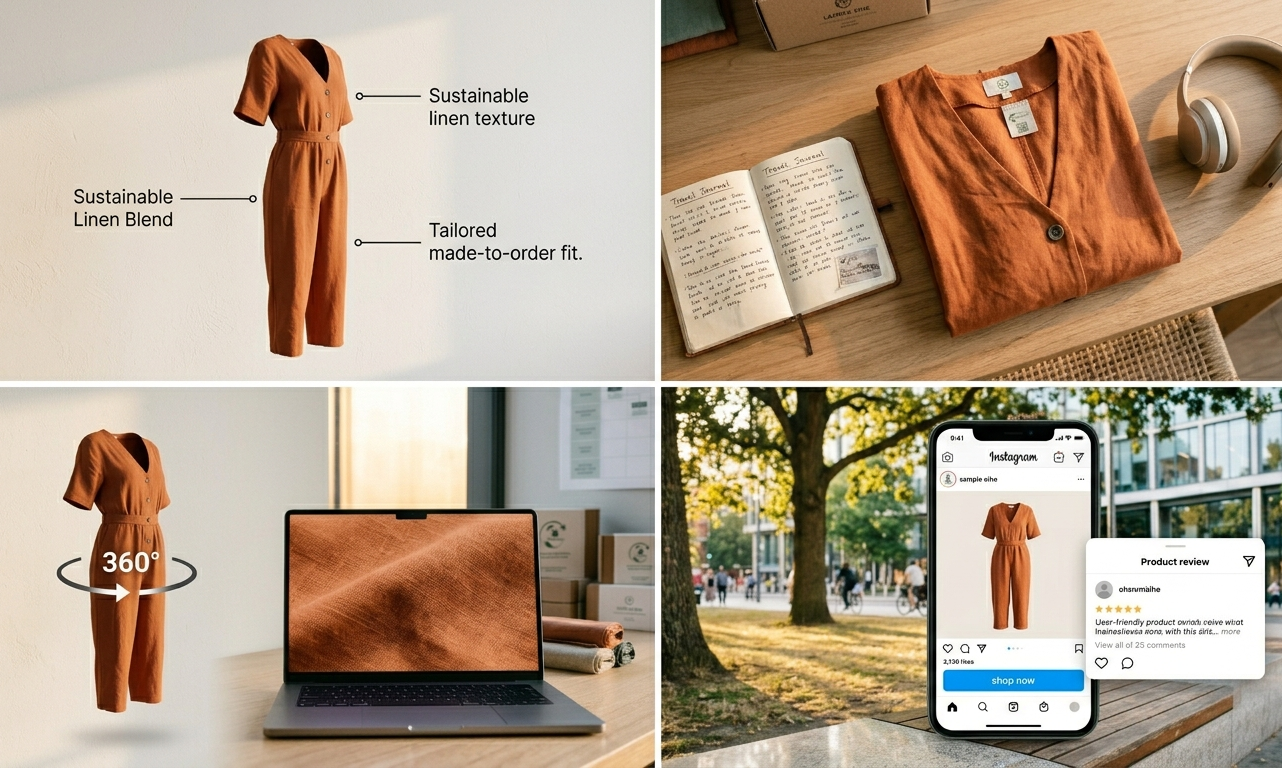
An ecommerce store is the central hub for most modern clothing brands. It must reflect the brand identity while providing a smooth and intuitive shopping experience.
Platforms such as Shopify are widely used due to their scalability and ecosystem of tools, themes, and integrations. They allow brands to manage products, payments, and logistics efficiently. Social commerce, particularly through platforms like Instagram, extends reach by linking content directly to sales.
Strategic Brand Feature – Mc999
As brands scale, many seek greater independence from traditional marketplace constraints. Modern apparel businesses increasingly prioritise control over presentation, customer relationships, and operational policies.
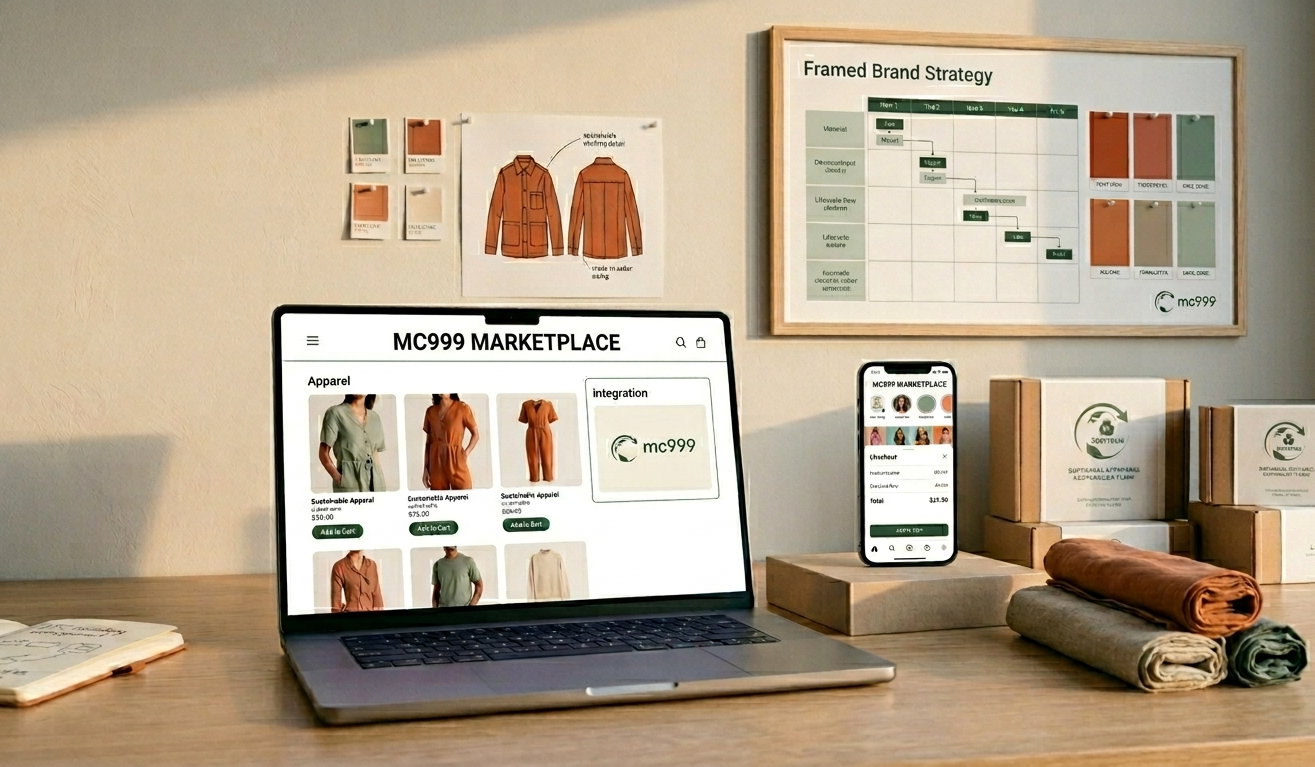
Mc999’s Growing Marketplace provides an additional layer of flexibility by integrating with platforms such as Shopify, Shopline, and BigCommerce. It enables brands to maintain their own e-commerce store while extending reach without relying on restrictive marketplace structures. Brands can manage their own checkout processes, delivery terms, and customer interactions, strengthening both control and customer insight.
This type of infrastructure supports a long-term DTC strategy, where the brand maintains ownership of both its audience and its operations.
Establishing brand identity and product presentation
Brand perception plays a significant role in purchasing decisions. Consistent visual identity, clear messaging, and high-quality product imagery contribute directly to perceived value.
Product photography and lookbooks help customers understand fit, style, and context. Lifestyle imagery, in particular, allows audiences to visualise how garments integrate into everyday use.
Storytelling strengthens independent brands. Sharing the inspiration behind collections, production processes, and the people involved helps build emotional connection and trust.
Marketing a clothing brand effectively
Effective marketing in 2026 relies on relevance and authenticity. Influencer collaborations remain valuable when they align closely with the brand’s audience and values. Content marketing and search engine optimisation provide long-term visibility, while email marketing supports customer retention and repeat purchases.
Instagram continues to be an important discovery channel, but reliance on a single platform introduces risk. A balanced marketing approach across multiple channels helps reduce exposure to algorithm changes and rising acquisition costs.
Expanding sales channels
Growth often involves moving beyond a single sales channel. Pop-up stores create physical interaction points that enhance brand visibility and engagement. Wholesale partnerships can increase volume, although they require careful pricing to maintain margins. Consignment arrangements offer a lower-risk way to test new markets.
A structured multichannel strategy ensures that each sales channel supports the brand rather than diluting it.
Scaling sustainably
Scaling a clothing brand involves more than increasing production. It requires refining systems, maintaining quality, and strengthening customer relationships.
Efficient inventory systems, responsive customer service, and consistent engagement help support long-term growth. Brands that build communities around shared values often achieve higher customer lifetime value and reduced marketing costs.
In a competitive apparel market, strong connections with customers can provide a measurable advantage.
Building a profitable clothing brand in 2026 requires structure, discipline, and control over key aspects of the business. Brands that prioritise direct customer relationships, operational flexibility, and long-term positioning are better placed to succeed. Platforms that support independence, such as Mc999, reflect the direction in which modern fashion commerce is evolving.
Frequently asked questions
Is starting a clothing brand still profitable in 2026?
Profitability is achievable, but it depends on clear differentiation, disciplined pricing, and effective distribution rather than volume alone.
How much capital is required to start?
Startup costs vary significantly, from a few thousand units for made-to-order models to substantially higher amounts for full production runs.
Is it possible to start without holding inventory?
Yes. Made-to-order and print-on-demand models allow brands to operate without holding stock, reducing financial risk.
Is Shopify necessary to sell online?
No, but it remains a widely used and efficient platform. Many brands combine it with additional tools and sales channels.
How long does it take to become profitable?
Most brands require 12–24 months to achieve consistent profitability, depending on execution and market fit.