
How UK Resellers Can Avoid Scams, Chargebacks and Fake Buyers
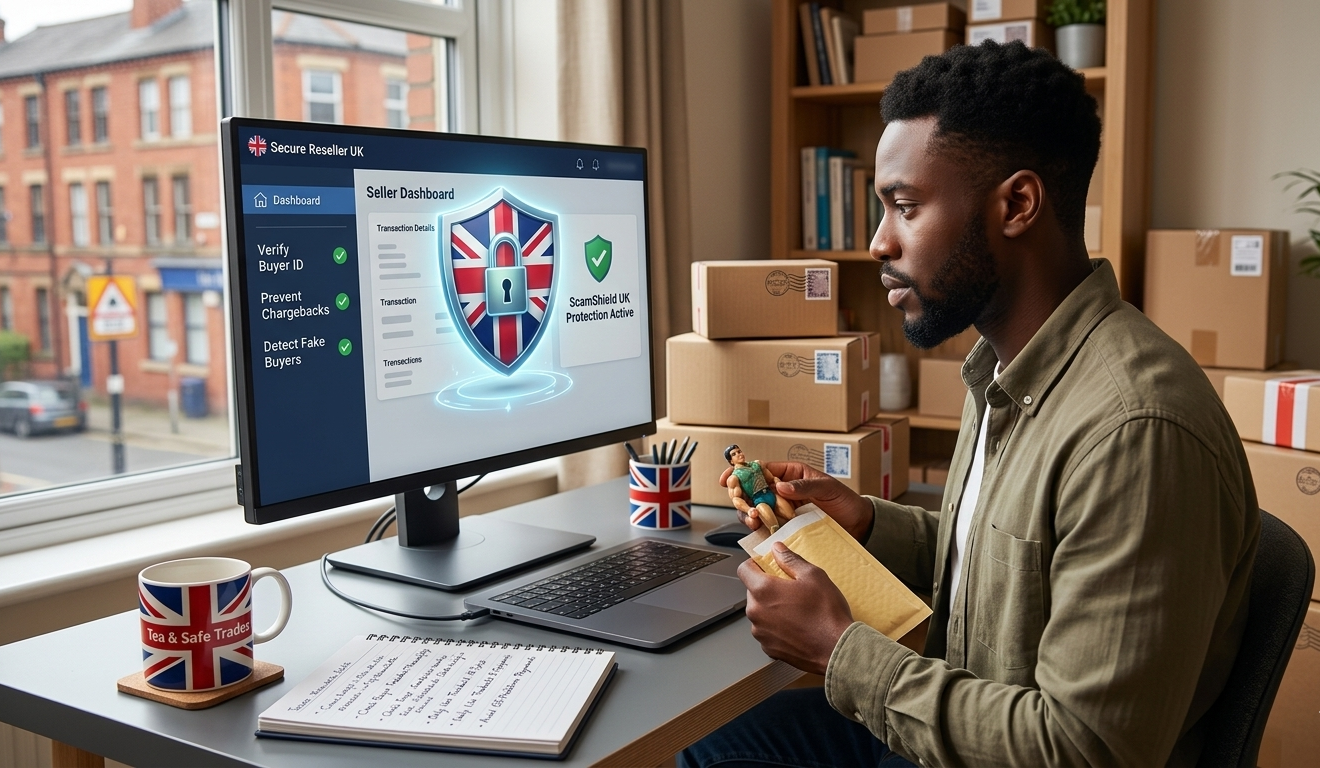
For UK-based online sellers—whether running a small business, a side hustle or operating as full-time resellers—the risk of fraud is real and growing. The accessibility of peer-to-peer marketplaces, second-hand platforms and major e-commerce sites such as eBay, Amazon, Etsy and Facebook Marketplace brings clear advantages but also exposes sellers to fake buyers, payment scams and chargebacks.
For independent and local UK sellers who depend on these platforms for income, protecting against fraud is essential. This guide outlines practical strategies to help identify suspicious activity, prevent chargebacks and sell more securely.
Common Scams and Fraudulent Buyer Behaviour
Understanding typical scam patterns is the first step in reducing risk. UK sellers frequently encounter the following:
1. Fake Payment Notifications
Fraudsters often send counterfeit payment confirmations—such as fake PayPal emails or falsified bank transfer screenshots—to prompt sellers into dispatching goods prematurely.
Example: A seller ships an item after receiving what appears to be a payment confirmation, only to discover no funds were ever transferred.
Prevention: Always verify payment directly within your bank or payment provider before dispatching any item.
2. Overpayment Scams
A buyer “accidentally” overpays and asks for a partial refund. The original payment is later reversed or identified as fraudulent.
Prevention: Do not issue refunds until the payment is fully cleared and confirmed.
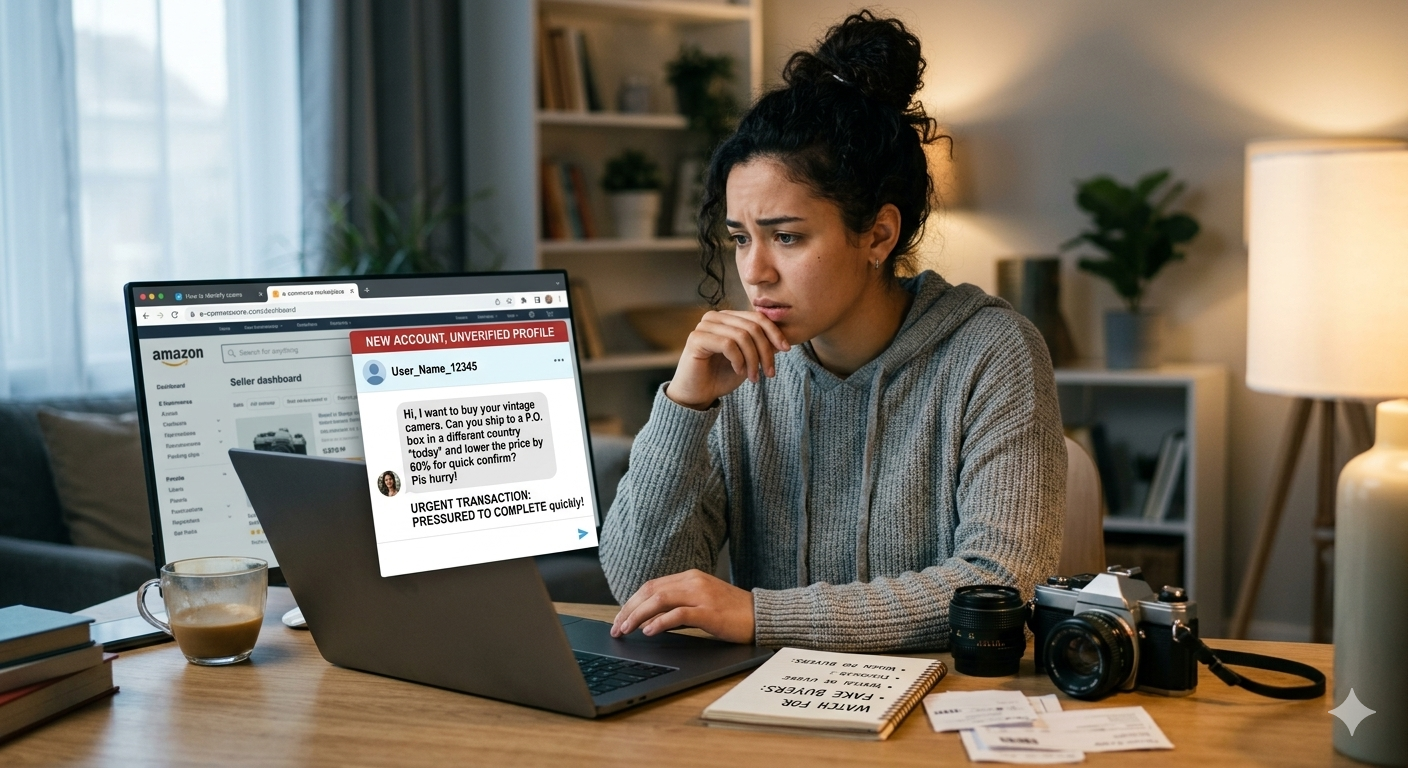
3. Fake or Non-Serious Buyers
These accounts may aim to waste time, extract personal information or manipulate listings.
Warning signs include:
- Newly created or unverified accounts
- Requests for unusual shipping arrangements
- Persistent last-minute price negotiations
- Pressure to complete transactions quickly
4. Chargebacks and “Friendly Fraud”
Chargebacks occur when a buyer disputes a transaction after receiving the item—often claiming it was not received or not as described.
Impact:
- Loss of both goods and payment
- Additional fees or penalties
Prevention: Maintain clear records of transactions, communications and proof of delivery.
5. Shipping and Delivery Manipulation
Buyers may request delivery to third-party addresses or forwarding services to obscure their identity.
Prevention:
- Ship only to verified addresses
- Avoid high-risk or untraceable delivery arrangements
Chargebacks: Causes and Prevention
Chargebacks are among the most costly risks for UK sellers. Common triggers include:
- Claims of non-delivery
- Disputes over item condition
- Unauthorised transactions
- Credit card fraud
How to Reduce Chargebacks
- Use tracked and signed-for delivery services
- Provide accurate descriptions and high-quality images
- Confirm buyer details before completing transactions
- Avoid unsecured or high-risk payment methods
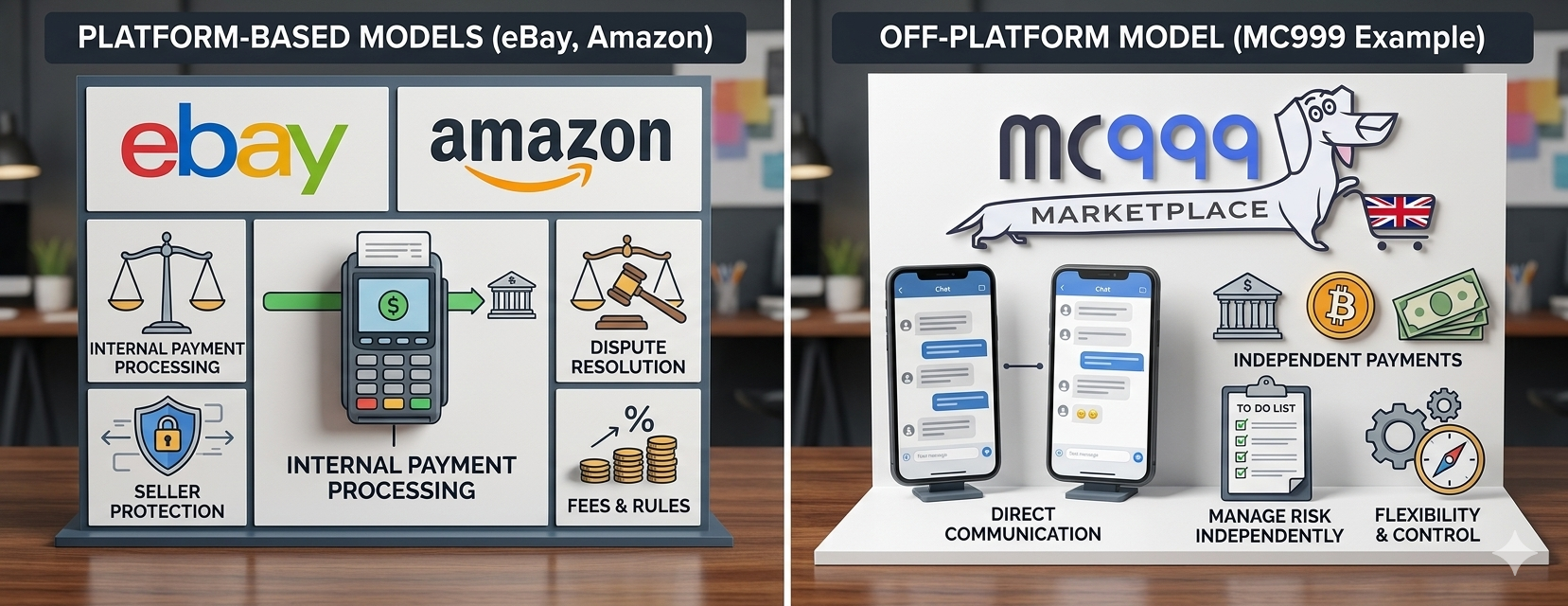
Platform-Based vs Off-Platform Transactions
Different marketplaces handle transactions in different ways.
Platform-Based Models
Sites such as eBay and Amazon:
- Process payments internally
- Provide dispute resolution systems
- Offer varying levels of seller protection
These systems can reduce certain risks but may involve fees and stricter rules.
Off-Platform Models
Some platforms, including MC999, act primarily as listing and discovery services:
- Buyers and sellers communicate directly
- Payments are arranged independently
- There is no centralised transaction protection
This approach offers flexibility and control but requires sellers to manage risk independently.
Best Practices for Secure Online Selling
Consistent, structured processes are the strongest defence:
- Use secure payment methods
Use recognised and traceable systems. Avoid anonymous or non-reversible transfers. - Set clear terms
Define payment, delivery and return conditions before confirming a sale. - Provide accurate listings
Include high-quality images and detailed descriptions, including any defects. - Maintain strong seller reputation
Consistent, professional communication helps deter unreliable buyers. - Ship securely
Use tracked services such as Royal Mail, Evri or DPD. Require signatures for higher-value items. - Keep records
Store communication, receipts, tracking numbers and listing details for reference.
Using Marketplaces Safely
Each platform has distinct policies. Understanding them is important:
eBay
- Use Seller Protection
- Ship with tracking
- Avoid off-platform payments (required for protection eligibility)
Amazon
- Consider Fulfilment by Amazon (FBA)
- Follow listing standards carefully
Etsy & Depop
- Keep listings transparent
- Retain proof of postage
- Use platform messaging where applicable
MC999
- Functions as a listing platform connecting buyers and sellers
- Communication and payments are handled independently
- Sellers are responsible for managing transaction safety
Facebook Marketplace, Gumtree & Shpock
- Meet in public locations where possible
- Confirm buyer identity
- Use secure delivery options
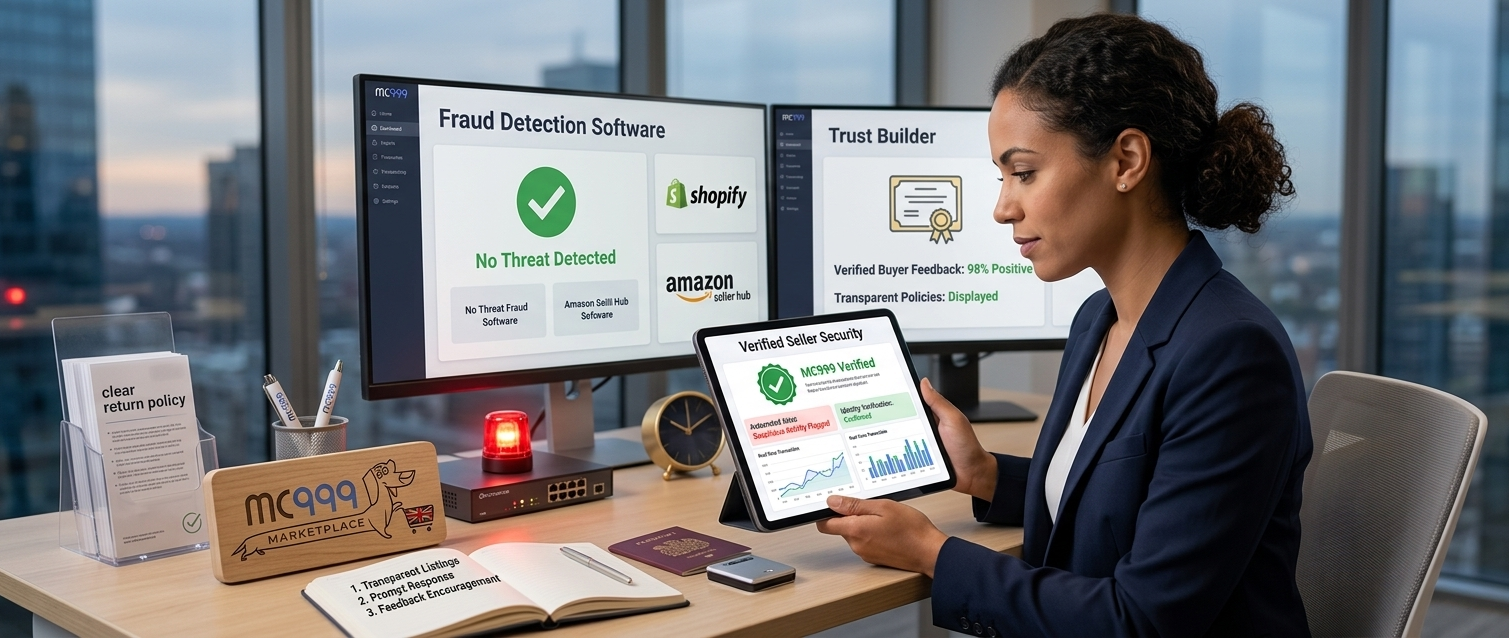
Tools and Technology to Reduce Risk
Modern tools can support fraud prevention:
- Escrow services – hold funds until delivery is confirmed
- Fraud detection software – integrated into platforms such as Shopify or Amazon
- Identity verification systems – confirm user authenticity
- Automated alerts – flag suspicious behaviour
Building Trust While Staying Protected
Security and credibility are closely linked:
- Maintain transparent listings
- Offer clear return policies
- Respond promptly to enquiries
- Encourage verified buyer feedback
____________________________________________________________________________
Fraud is an inherent risk in online selling, but it can be managed effectively. By understanding common scams, verifying buyers, using traceable payment methods and keeping thorough records, UK resellers can significantly reduce exposure to risk.
Different marketplace models—whether platform-based or listing-based—require different approaches to transaction security. Sellers who apply structured processes and remain cautious can operate more confidently while protecting both their revenue and reputation.
FAQs
How can I avoid scams when selling online?
Verify buyers, confirm payments directly, use tracked shipping and retain all communication records.
How do I prevent chargebacks?
Provide proof of delivery, accurate listings and maintain clear transaction records.
How can I identify fake buyers?
Look for unverified accounts, unusual requests, inconsistent information and pressure to complete transactions quickly.
Are off-platform transactions safe?
They can be, but they require stronger verification, documentation and payment control from the seller.
What should I do if I suspect a scammer?
Do not proceed with the transaction and disengage from the buyer.
How can sellers protect themselves long-term?
Use traceable payment methods, track all deliveries, maintain documentation and follow consistent selling processes.